

Canada is widely regarded as one of the most progressive and accepting countries in the world when it comes to the rights and freedoms of LGBTQ2S+ (lesbian, gay, bisexual, transgender, queer, two-spirit, and other sexual and gender diverse) people. However, being LGBTQ2S+ in Canada is not without its challenges and struggles. In this article, I will explore some of the pros and cons of life as an LGBTQ2S+ person in Canada, and compare it to other countries where LGBTQ2S+ people face more discrimination and violence.
The Pros
Canada has a long history of advancing LGBTQ2S+ rights, both domestically and internationally. Some of the milestones include:
- In 1969, Canada decriminalized homosexuality between consenting adults over the age of 21.
- In 1996, Canada added sexual orientation as a prohibited ground of discrimination in the Canadian Human Rights Act.
- In 2005, Canada became the fourth country in the world to legalize same-sex marriage nationwide.
- In 2017, Canada passed a law that protects gender identity and expression from discrimination and hate crimes.
- In 2019, Canada issued a formal apology and compensation to LGBTQ2S+ people who were persecuted and discriminated by the government and the military in the past.
- In 2020, Canada banned conversion therapy, a harmful practice that attempts to change a person’s sexual orientation or gender identity.

Canada also actively promotes LGBTQ2S+ rights in various international forums, such as the United Nations, the Commonwealth, and the Organization of American States. Canada supports initiatives that aim to end violence and discrimination against LGBTQ2S+ people around the world, such as the Equal Rights Coalition1, the Global Equality Fund, and the LGBTI Human Rights Program.
Canada is home to a vibrant and diverse LGBTQ2S+ community that celebrates its culture and identity through various events and organizations. Some of the most notable examples are:
- Pride festivals that take place across the country every year, attracting millions of participants and spectators. The largest ones are in Toronto, Montreal, and Vancouver.
- The Canadian Centre for Gender and Sexual Diversity, which provides education, advocacy, and support for LGBTQ2S+ youth and adults.
- The Egale Canada Human Rights Trust, which works to improve the lives of LGBTQ2S+ people through research, policy, and legal action.
- The Rainbow Railroad, which helps LGBTQ2S+ people escape persecution and violence in their countries of origin.
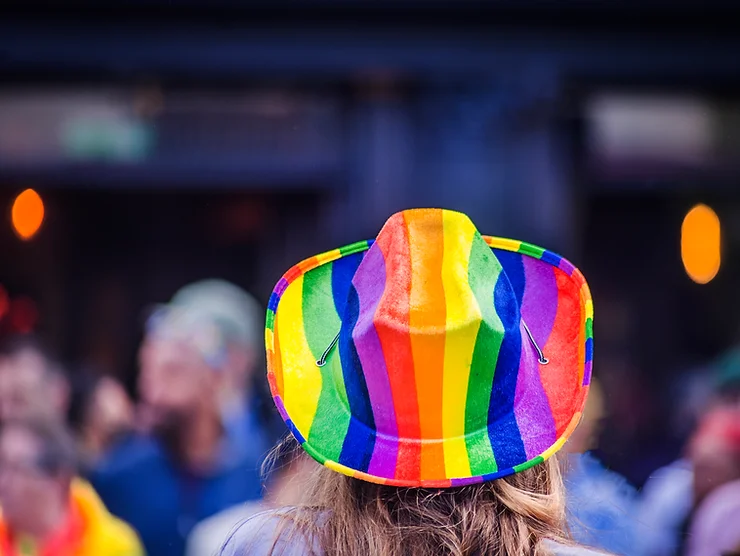
Canada is also known for its inclusive and tolerant society that respects diversity and human rights. According to a 2019 survey by Pew Research Center, 80% of Canadians say that homosexuality should be accepted by society, compared to a global median of 52%. Moreover, 85% of Canadians say they have a friend or relative who is gay or lesbian, compared to a global median of 49%. These statistics indicate that most Canadians are open-minded and supportive of LGBTQ2S+ people.
The Cons
Despite the legal and social progress that Canada has made, there are still many issues and challenges that LGBTQ2S+ people face in their daily lives. Some of these include:
- Discrimination and harassment in various settings, such as employment, education, health care, housing, and public services. According to a 2018 report by Statistics Canada, 11% of sexual minority Canadians reported experiencing discrimination based on their sexual orientation in the past year. Moreover, 22% of transgender Canadians reported experiencing discrimination based on their gender identity or expression in the past year.
- Violence and hate crimes that target LGBTQ2S+ people because of their identity or expression. According to the same report by Statistics Canada, 9% of sexual minority Canadians reported experiencing physical or sexual assault based on their sexual orientation in the past year. Moreover, 13% of transgender Canadians reported experiencing physical or sexual assault based on their gender identity or expression in the past year. Additionally, Statistics Canada data shows that hate crimes motivated by sexual orientation increased by 25% from 2017 to 2018.
- Mental health issues that affect LGBTQ2S+ people disproportionately due to stigma, discrimination, violence, isolation, and lack of support. According to a 2015 report by Egale Canada Human Rights Trust, LGBTQ2S+ youth are four times more likely to attempt suicide than their heterosexual peers. Moreover, transgender youth are nearly six times more likely to attempt suicide than their cisgender peers.
- Barriers to accessing appropriate and affirming health care services for LGBTQ2S+ people, especially for transgender and non-binary people who require transition-related care. According to a 2019 report by Trans PULSE Canada, only 45% of transgender Canadians have access to a primary care provider who is knowledgeable about transgender health issues. Moreover, only 21% of transgender Canadians have access to hormone therapy, and only 3% have access to gender-affirming surgery.

The Comparison
Compared to other countries where LGBTQ2S+ people face more severe forms of oppression and violence, Canada is undoubtedly a safer and more welcoming place. However, this does not mean that Canada is perfect or that LGBTQ2S+ people are fully equal and free. There are still many gaps and challenges that need to be addressed and overcome in order to achieve true inclusion and justice for LGBTQ2S+ people in Canada. Some of the countries where LGBTQ2S+ people face the worst conditions are:
- Brunei, where homosexuality is punishable by death by stoning.
- Nigeria, where homosexuality is punishable by up to 14 years in prison, and by death in some states that apply sharia law.
- Saudi Arabia, where homosexuality is punishable by imprisonment, flogging, or death.
- Iran, where homosexuality is punishable by imprisonment, flogging, or death.
- Russia, where homosexuality is legal but promotion of "non-traditional sexual relations" is banned and punishable by fines or imprisonment.
These countries have laws that criminalize and persecute LGBTQ2S+ people, as well as cultures that stigmatize and reject them. LGBTQ2S+ people in these countries live in fear of being exposed, arrested, tortured, or killed. They have little or no access to support, protection, or justice. They have no rights or freedoms to express their identity or love.

The Conclusion
Canada is a country that has made significant strides in advancing LGBTQ2S+ rights and freedoms, both at home and abroad. Canada is a country that has a diverse and vibrant LGBTQ2S+ community that celebrates its culture and identity. Canada is a country that has a tolerant and respectful society that accepts and supports LGBTQ2S+ people.
However, Canada is also a country that has many problems and challenges that affect LGBTQ2S+ people negatively. Canada is a country that has discrimination and violence that target LGBTQ2S+ people because of their identity or expression. Canada is a country that has mental health issues and barriers to health care services that impact LGBTQ2S+ people disproportionately.

Therefore, Canada is a country that still has a lot of work to do to improve the lives of LGBTQ2S+ people. Canada is a country that needs to address the gaps and challenges that prevent LGBTQ2S+ people from achieving full equality and inclusion. Canada is a country that needs to continue to promote and protect LGBTQ2S+ rights and freedoms, both at home and abroad.
Being LGBTQ2S+ in Canada is not easy, but it is also not hopeless. Being LGBTQ2S+ in Canada means having opportunities and possibilities, but also having struggles and obstacles. Being LGBTQ2S+ in Canada means being proud and resilient, but also being vigilant and cautious.
Being LGBTQ2S+ in Canada means being human.
Penned by CEO, Clinton Emslie
Thinking of Immigrating to Canada or USA? Immigration all starts with eligibility, and until that is determined its very hard to say what will or what wont work for an applicant. As such it is vital for an Applicant to complete an Assessment, so that we can render a feedback report based on your profile and its viable options. That is the starting point of any discussions on your viable pathways to Canada. Click below to submit your assessment to learn about your options.